
Water: More Than Just a Tap
Water isn’t just a resource flowing from the tap. It carries costs, regulations, and opportunities to save money through smarter management.
DAVID CRICHTON
12/18/20252 min read
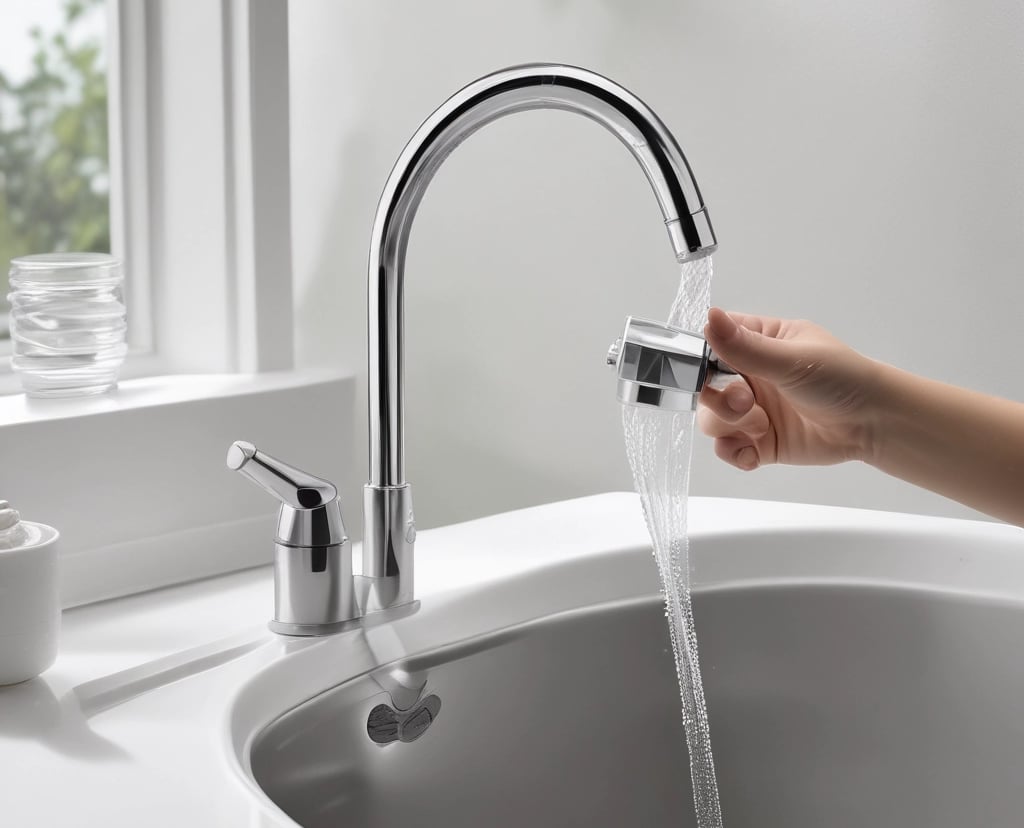
More Than Just a Tap — The Hidden System That Keeps Your Water Flowing
When most people turn on a tap, they expect clean water to appear instantly—clear, safe, and ready to use. It’s so routine that we hardly think about what it takes to make that moment possible. But behind every faucet lies a complex network of infrastructure, technology, and dedicated professionals working around the clock to ensure safe and reliable water delivery.
Fresh water is not simply a convenience. It is the foundation of public health, economic growth, food production, and community well-being. The tap is only the final step in a long journey that begins deep underground and travels through treatment plants, pumps, storage reservoirs, pipelines, and advanced monitoring systems.
The Journey of Water — What Happens Before It Reaches Your Home
Before water reaches your sink or shower, it undergoes a detailed, regulated, and carefully controlled process that includes:
Source Water Collection – groundwater wells, rivers, lakes, or reservoirs
Treatment & Disinfection – filtration, UV, chlorination, and extensive testing
Storage & Distribution – tanks, PRVs, pump stations, and underground pipelines
Monitoring & Automation – SCADA systems, sensors, alarms, and real-time control
Maintenance & Leak Detection – hydrant inspections, valve exercising, repairs, and testing
Every drop is engineered and safeguarded long before it reaches your tap.
The Reality — Aging Infrastructure and Increasing Demand
Across Canada and much of the world, water systems are facing major challenges:
Aging infrastructure requiring replacement or modernization
Water loss from leaks and breaks
Increasing operating and energy costs
Limited staffing and workforce shortages
Climate pressures and supply variability
Higher expectations for quality, reliability, and transparency
To meet these demands, utilities and rural water co-ops are adopting smarter, data-driven tools and long-term sustainability strategies.
Why Reliable Water Systems Matter
Strong and well-maintained water systems support:
💧 Safe, reliable drinking water
💧 Fire protection and emergency response
💧 Sustainable agriculture and local businesses
💧 Community growth and economic stability
💧 Healthy ecosystems and environmental protection
When infrastructure fails—pressure drops, contamination events, boil-water advisories, or main breaks—the results are costly and disruptive.
A New Era of Water Utility Innovation
Technology is transforming how water utilities operate. Modern solutions such as real-time data, automated control, smart pressure management, and remote leak detection provide:
Reduced operational and energy costs
Improved reliability and system performance
Longer asset and equipment lifespan
Faster response to emergencies and repairs
Better transparency and customer communication
Water is more than just a tap — it is a living system that depends on innovation, stewardship, and technical expertise.
Join the Conversation
This blog will continue exploring real-world solutions, technical insights, and operational strategies that support stronger, more resilient water systems for future generations.
Thank you for reading — and for valuing the work behind every drop.
Contact
Reach out for water utility solutions contract operations or Opto 22 components.
Phone
info@criongroup.com
403-510-0780
© 2025. All rights reserved.